The World of Chusen — Tenugui Born from a Century-Old Dyeing Art
Chusen is a uniquely Japanese dyeing technique born in the Meiji era. Its distinctive method of soaking dye through both sides of fabric creates a beautifully reversible finish.
What is Chusen?
Chusen — a uniquely Japanese dyeing technique born in Osaka during the Meiji era. True to its name, which means "pouring dye," artisans pour dye directly onto fabric, coloring both sides simultaneously.
Unlike printing, chusen infuses color deep into the fabric fibers, creating a perfectly reversible finish that looks beautiful from either side. This quality elevates the everyday tenugui cloth into the realm of art.
Watch the Dyeing Process
※ The chusen dyeing process for tenugui production
Stenciling — Creating Patterns with Resist Paste
First, resist paste is applied to the fabric using stencils. Areas covered by paste remain undyed, so this step determines the final pattern. Even master artisans cannot afford the slightest error in this delicate process.
Chusen — Pouring the Dye
The prepared fabric is placed on a dyeing stand and dye is poured from above. The dye passes through the fabric and into a suction device below. This "passing through" process is the essence of chusen — the secret to achieving uniform color on both sides.
Washing and Sun-Drying
The dyed fabric is carefully washed to remove excess dye and resist paste. Then, when hung to dry in the sun, vivid colors emerge on the fabric.
Iida Dankoh's Tenugui
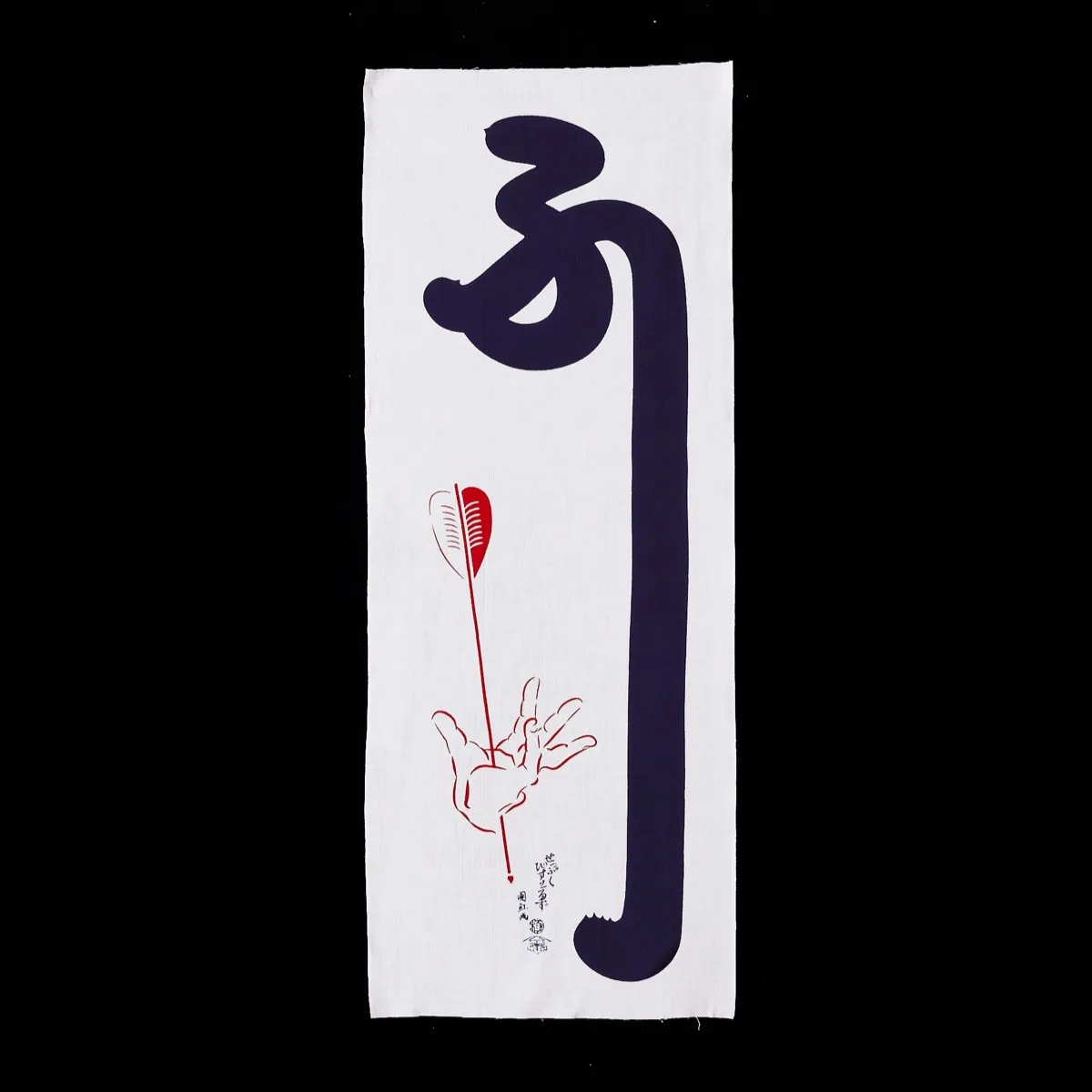
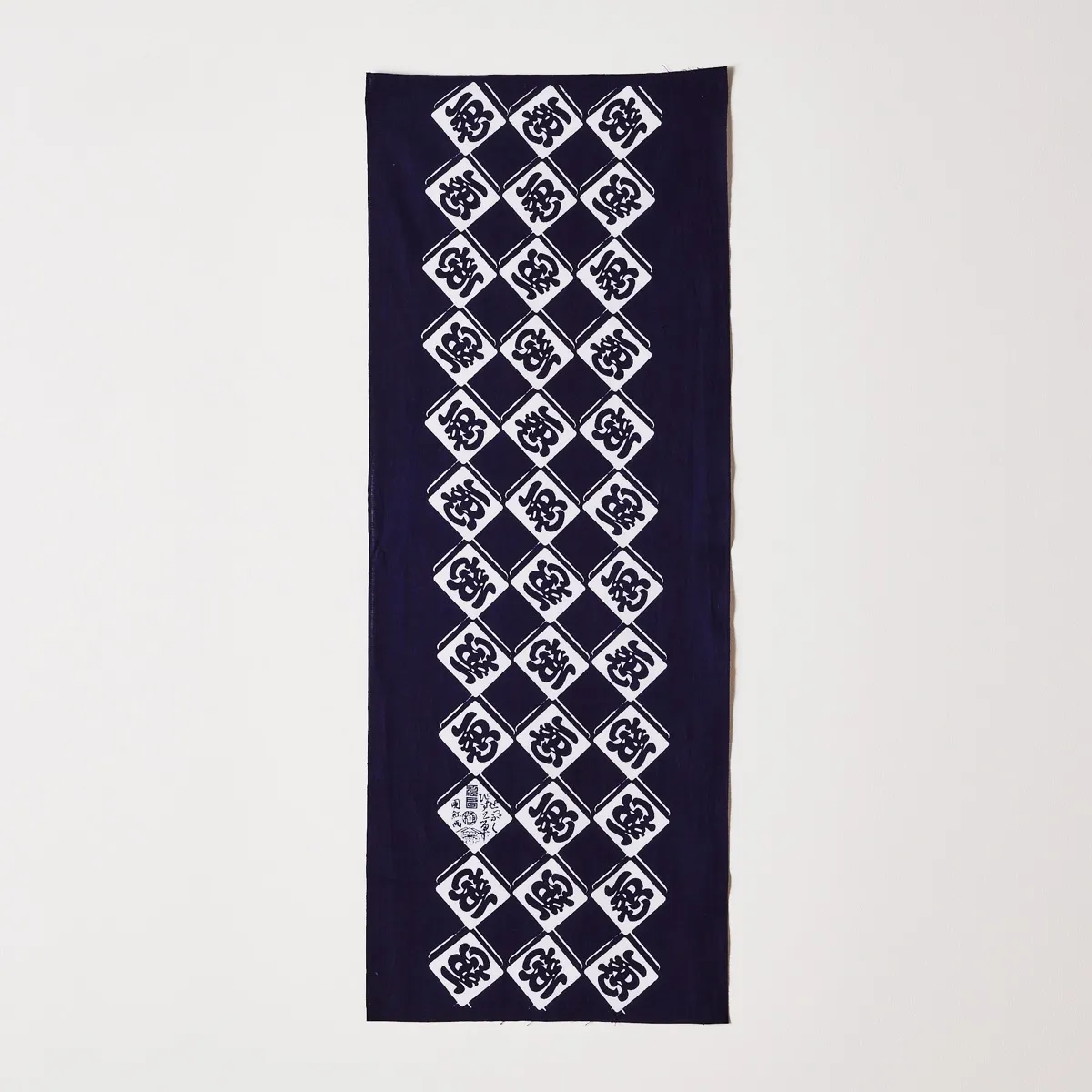
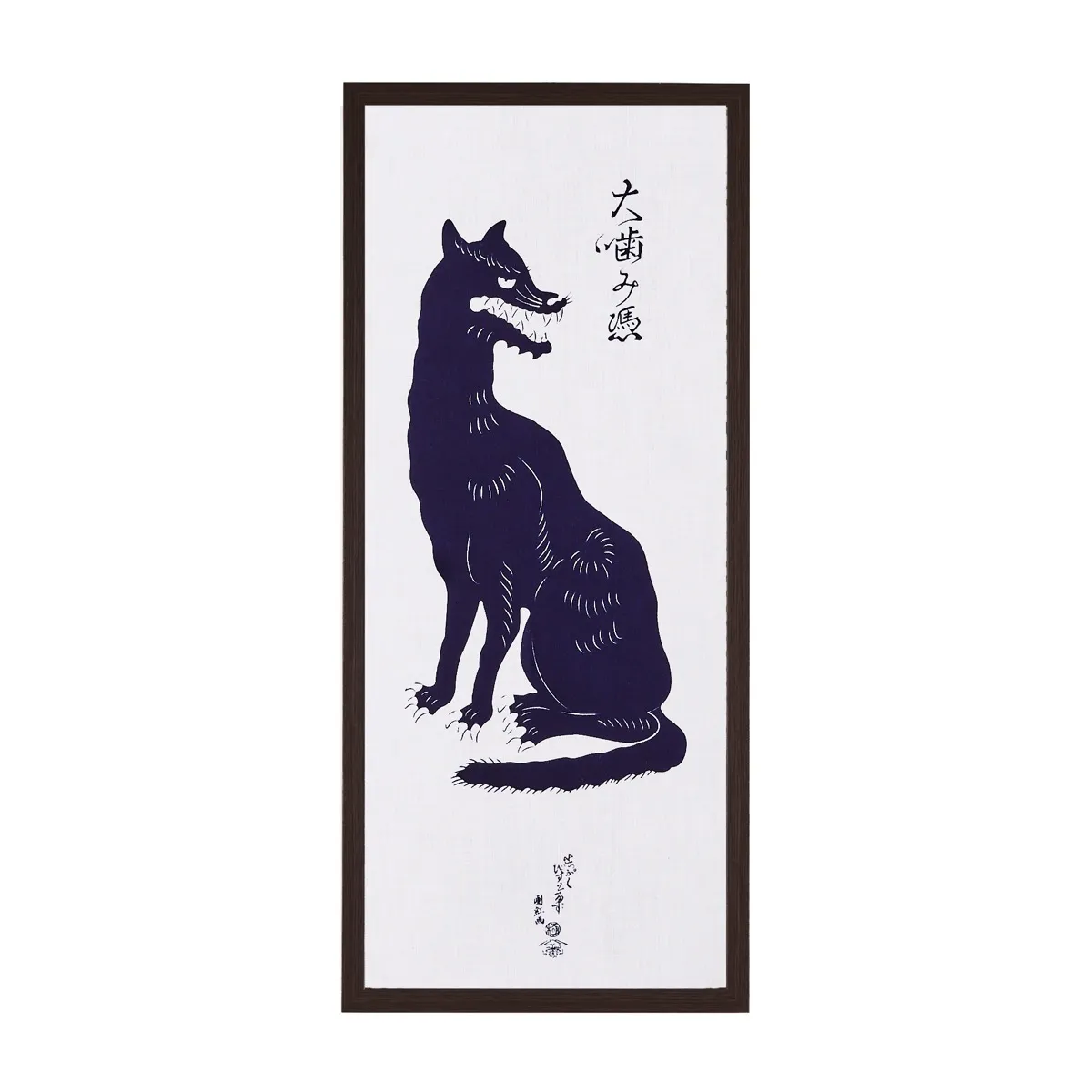
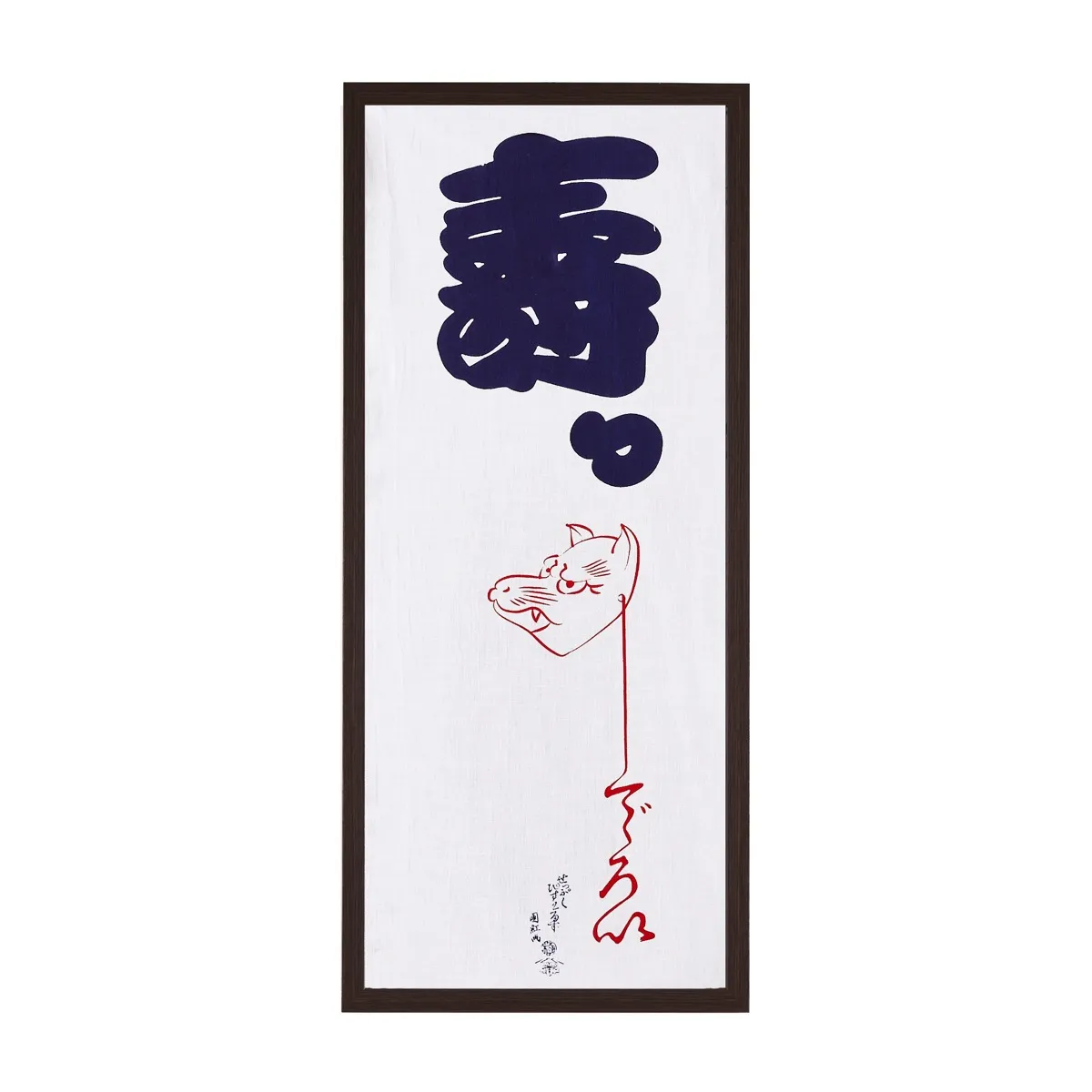
All of Iida Dankoh's tenugui carried by CHINMI JAPAN are dyed using this chusen technique. "Getting Rougher," "Ookami Tsuki," "Sukkoronderoi," "Fuzakeyagatte" — bold, unconventional designs beautifully expressed through traditional craft.
At ¥2,700 each, considering the labor and skill involved, these are truly chinmi — hidden treasures known only to the discerning few.